
Atlanta Public Transit Guide 2025: Complete Transportation Options Beyond MARTA
When most people think of Atlanta public transportation, MARTA immediately comes to mind. While the Metropolitan Atlanta Rapid Transit Authority serves as the backbone of Atlanta’s transit system, the city’s transportation ecosystem extends far beyond those familiar red and gold trains and buses. Whether you’re a visitor exploring Atlanta or a resident seeking alternative commuting options, understanding the complete spectrum of Atlanta public transit can save you time, money, and reduce traffic stress.
MARTA: Atlanta’s Primary Transit Foundation
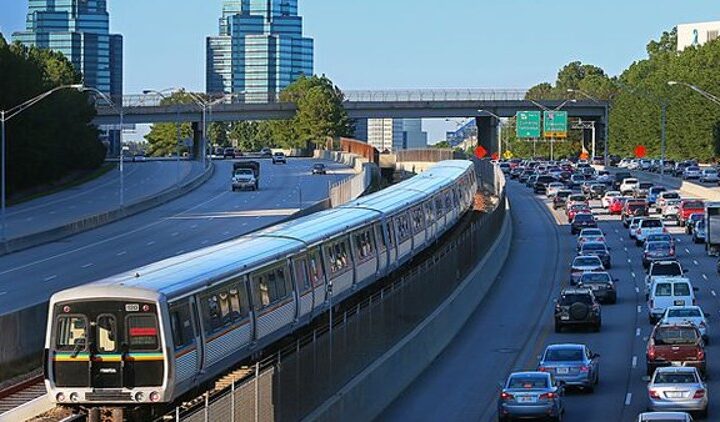
Before exploring alternatives, it’s essential to understand MARTA’s role as Atlanta’s primary public transportation system. With four rail lines (Red, Gold, Blue, and Green) and an extensive bus network, MARTA connects key destinations including:
- Hartsfield-Jackson Atlanta International Airport
- Downtown Atlanta business district
- Midtown entertainment and business hub
- Buckhead shopping and dining district
- Various suburban communities
However, MARTA’s geographic limitations have created opportunities for innovative Atlanta transportation solutions throughout the metro area.
Regional Transit Authorities: Expanding Atlanta’s Reach
Gwinnett County Transit (GCT)
Gwinnett County Transit operates a comprehensive bus system complementing MARTA’s coverage. GCT Atlanta provides essential connections between suburban Gwinnett communities and major employment centers, offering:
- Express routes to downtown Atlanta
- Direct service to Midtown
- Connections serving Lawrenceville, Duluth, and Norcross
- Park-and-ride facilities for commuters
Cobb County Transit (CCT)
Cobb County’s transit system serves one of Atlanta’s most populous counties with local and express bus services Atlanta. CCT provides:
- Direct connections to MARTA stations
- Express routes to Cumberland Mall area
- Airport shuttle services
- Coverage for Marietta, Smyrna, and Kennesaw residents
Clayton County C-TRAN
C-TRAN serves Clayton County with strategic connections to MARTA’s Airport station, essential for residents of Forest Park, Jonesboro, and Riverdale seeking reliable Atlanta area transit options.
Innovative Atlanta Transit Solutions
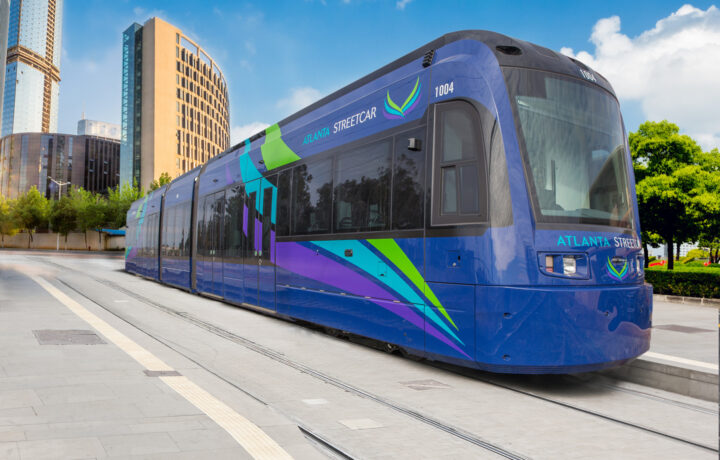
Atlanta Streetcar
The Atlanta Streetcar connects downtown’s premier destinations including:
- Centennial Olympic Park
- Martin Luther King Jr. National Historical Park
- Sweet Auburn Historic District
- State Farm Arena and Mercedes-Benz Stadium area
Atlanta BeltLine Transportation
The Atlanta BeltLine represents the city’s commitment to alternative transportation Atlanta. This 22-mile loop of trails, parks, and transit connects numerous neighborhoods while providing access to:
- Local restaurants and breweries
- Public art installations
- Green spaces and parks
- Future light rail development
Modern Transit Solutions in Atlanta
Ride-Share Integration
Atlanta has successfully integrated ride-sharing into its public transit ecosystem. Many MARTA stations feature designated pickup areas for Uber and Lyft, creating seamless first-mile and last-mile connections—particularly valuable in areas with limited traditional transit coverage.
Corporate Shuttle Services
Major Atlanta employers operate private shuttle services connecting MARTA stations to their facilities. Companies in Technology Square, Perimeter Center, and Cumberland areas offer these services to promote sustainable commuting Atlanta.
Specialized Transportation Services
GRTA Xpress
The Georgia Regional Transportation Authority operates express bus services connecting outlying counties to major employment centers. GRTA Xpress routes feature:
- Limited stops for faster travel times
- Comfortable coach-style seating
- Wi-Fi and power outlets
- Park-and-ride facilities
Accessibility Services
For individuals with disabilities, comprehensive paratransit services complement fixed-route options:
- MARTA Mobility door-to-door service
- County-specific accessibility programs
- ADA-compliant vehicle options
Planning Your Atlanta Transit Journey
Essential Transit Apps
Navigate Atlanta’s complex transportation network with these mobile tools:
- Citymapper: Multi-modal trip planning
- Transit App: Real-time arrival information
- MARTA Official App: System-specific updates and mobile ticketing
- Google Maps: Integrated transit directions
Payment Systems and Integration
While each system maintains its own payment method, integration efforts are expanding:
- Breeze Card: Works across all MARTA services
- Mobile payment options increasing regionwide
- Contactless payment acceptance growing
Pro Tips for Atlanta Transit Success
Advanced Planning: Atlanta’s transit network requires more preparation than systems in cities like New York or San Francisco. Research multiple route options and maintain backup plans.
Multi-Modal Combinations: Efficient trips often combine different transit modes—take MARTA to central locations, then use county buses or ride-share for final destinations.
Stay Connected: Service changes, construction, and special events impact operations. Follow official social media accounts and subscribe to service alerts.
Neighborhood Exploration: Use Atlanta public transportation to discover the city’s diverse neighborhoods. Many areas offer more walkability and transit access than commonly perceived.
Future of Atlanta Transportation
Atlanta’s transit landscape continues evolving with exciting developments:
- More MARTA expansion program
- BeltLine light rail development
- County-specific transit initiatives
- Smart city technology integration
- Electric bus fleet expansions
Making Atlanta Transit Work for You
Successfully navigating Atlanta’s public transit system requires patience, flexibility, and willingness to explore options. While not as comprehensive as older, denser cities’ systems, it provides viable car alternatives for many trips.
Whether commuting to work, exploring Atlanta attractions, or reducing your carbon footprint, Atlanta’s diverse transportation ecosystem offers more options than many residents realize.
Key Takeaway
Atlanta’s public transit functions as a network of interconnected systems rather than a single, unified service. By understanding this complexity and leveraging available options, you’ll discover that car-free travel in Atlanta is not only possible but often preferable.
Ready to explore Atlanta’s transit options? Start with a single route that interests you, then gradually expand your system knowledge. Soon you’ll navigate the city like a pro, discovering new places while saving money and reducing traffic congestion.