
West End Atlanta: Complete Guide to Atlanta’s Oldest Neighborhood 2026
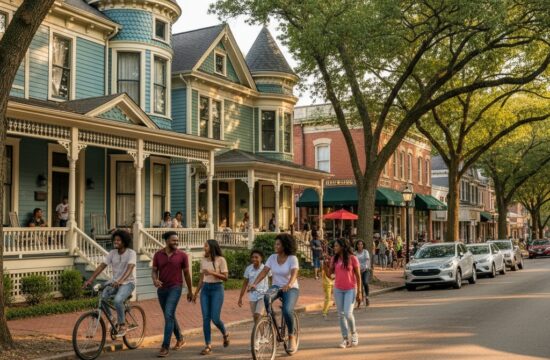
West End holds the distinction of being Atlanta’s oldest neighborhood, with a rich history dating back to the 1830s. Located southwest of downtown, this historic district showcases beautifully preserved Victorian and Craftsman homes, significant African American cultural landmarks, and a strong sense of community pride.
As one of Atlanta’s most affordable intown neighborhoods with direct access to the Atlanta BeltLine Westside Trail, West End is experiencing a renaissance while maintaining its authentic character and deep historical roots. Whether you’re considering a move, planning to explore Atlanta’s history, or simply curious about this evolving neighborhood, this complete guide covers everything you need to know.
Quick Overview: West End at a Glance
- Founded: 1830s (predates Atlanta itself)
- Location: Southwest of downtown Atlanta
- Vibe: Historic, community-focused, authentic
- Best For: Historic architecture, African American culture, affordable intown living
- Median Home Price: ~$379,000
- Transit: MARTA West End Station (Blue/Green Line)
- Walkability: Moderate (improving with BeltLine)
History of West End: Where Atlanta’s Story Began
The Early Years (1830s-1880s)
West End’s history stretches back further than any other Atlanta neighborhood. The area was first settled in the 1830s as White Hall, a small community that predates the founding of Atlanta itself (1837). When the railroad came through in the 1840s, the area became known as “West End” due to its location at the western terminus of the Atlanta & West Point Railroad.
The neighborhood flourished in the late 19th century when it was connected to downtown by streetcar in the 1880s, becoming Atlanta’s first true suburb. This era attracted middle-class and affluent families who built the Victorian homes, Queen Anne cottages, and Craftsman bungalows that still define the area today.
The Golden Age (1880s-1920s)
During this period, West End was one of Atlanta’s most desirable addresses, featuring:
- Grand Victorian and Queen Anne homes with ornate details
- Tree-lined streets with trolley access to downtown
- Thriving commercial district
- Notable residents including author Joel Chandler Harris
Civil Rights Era and Cultural Significance (1960s-1970s)
In the 1960s and 1970s, West End became a predominantly African American neighborhood and emerged as an important center of Black culture and community in Atlanta. Notable residents included:
- Dr. Martin Luther King Sr. – Father of Dr. Martin Luther King Jr.
- Alonzo Herndon – Founder of Atlanta Life Insurance Company, one of the most successful African American businesses
- Joel Chandler Harris – Author of the Uncle Remus stories, whose home (the Wren’s Nest) remains a museum today
The neighborhood played a significant role in Atlanta’s Civil Rights Movement and became a center of African American economic and cultural life.
Modern Revival (2000s-Present)
Like many historic Atlanta neighborhoods, West End experienced economic decline in the late 20th century. However, recent years have brought renewed investment:
- 2013: Designated a historic district and listed on the National Register of Historic Places
- 2017: Atlanta BeltLine Westside Trail opens, connecting West End to the broader trail network
- 2020s: New restaurants, businesses, and community initiatives spark revitalization
Today, the Historic West End community continues to honor its past while embracing thoughtful growth and development.
The West End Vibe: Authentic Atlanta Character
West End offers a distinctly different atmosphere from Atlanta’s more gentrified intown neighborhoods like Virginia Highland or Inman Park. The area maintains an authentic, community-focused vibe where longtime residents, families, and newcomers coexist in a neighborhood proud of its history and cultural significance.
What Defines West End’s Character
- Historic Architecture: Blocks of beautifully maintained Victorian homes and bungalows
- Mature Trees: Wide streets with leafy canopies creating a classic neighborhood feel
- Cultural Significance: Strong sense of African American history and heritage
- Community Engagement: Active neighborhood organizations and resident involvement
- Affordability: More accessible prices than other intown neighborhoods
West End feels less polished than areas like Virginia Highland or Inman Park, but that’s part of its appeal—it’s a real neighborhood with genuine character, not a manufactured urban experience.
Who Lives in West End?
The neighborhood attracts a diverse mix:
- Longtime residents with deep community roots
- Young professionals and creatives seeking affordable intown living
- Families drawn to larger homes at accessible prices
- Preservationists and history enthusiasts
- Investors recognizing the neighborhood’s potential
West End Restaurants and Dining
West End’s dining scene is evolving, with a mix of longtime neighborhood institutions, soul food restaurants, and exciting new establishments drawn by the BeltLine’s arrival.
Must-Try Restaurants
Busy Bee Cafe
A West End institution since 1947, Busy Bee Cafe serves authentic Southern soul food in a no-frills, cafeteria-style setting.
- Don’t miss: Fried chicken, collard greens, mac and cheese, peach cobbler
- Address: 810 Martin Luther King Jr Dr SW
- Price: $
- Vibe: Classic soul food, community institution
Boxcar
Boxcar has become a West End destination since opening near the BeltLine Westside Trail. This modern American restaurant offers creative seasonal menus, craft cocktails, and a stylish yet approachable atmosphere.
- Don’t miss: Seasonal menu items, craft cocktails, outdoor patio with BeltLine views
- Address: Near BeltLine Westside Trail
- Price: $$-$$$
- Vibe: Modern, trendy, BeltLine gathering spot
Tassili’s Raw Reality
Tassili’s Raw Reality offers a unique take on vegan and raw food with Caribbean and African influences. The creative plant-based dishes attract even non-vegans.
- Don’t miss: “Crab” Cakes, Raw Tacos, smoothies
- Address: 1059 Ralph David Abernathy Blvd SW
- Price: $$
- Vibe: Health-conscious, creative, welcoming
Slim & Husky’s
This Nashville-based pizza chain brought its creative pies and community-focused mission to West End with lively atmosphere and delicious pizza.
- Don’t miss: Gold Rush pizza, garlic knots
- Address: 1000 White St SW
- Price: $$
- Vibe: Lively, family-friendly, community-focused
Jamaican Creole Hot & Spicy
Authentic Caribbean cuisine with a loyal following for jerk chicken, oxtail, and traditional Jamaican dishes.
- Vibe: Casual, authentic, neighborhood favorite
- Price: $-$$
Other Dining Options
- Atlanta Breakfast Club – Southern breakfast and brunch favorites
- Slutty Vegan – Plant-based burgers and vegan comfort food
- West End Provisions – Market and café with sandwiches, salads, coffee
- Habesha Market & Carry Out – Ethiopian grocery and restaurant with authentic cuisine
The dining scene emphasizes authentic flavors, community gathering spaces, and accessible prices rather than upscale trendy concepts.
Cultural Attractions and Historic Sites
West End is home to several significant cultural and historical attractions that showcase the neighborhood’s rich heritage.
The Wren’s Nest
The Wren’s Nest is the former home of Joel Chandler Harris, author of the Uncle Remus stories. This Victorian home, built in 1870, is now a museum and National Historic Landmark.
What to Expect:
- Tours exploring Harris’s life and literary work
- 19th-century Victorian home architecture
- Storytelling programs and events
- Educational programming
Visit Details:
- Address: 1050 Ralph David Abernathy Blvd SW
- Hours: Tuesday-Saturday, 10 AM – 2:30 PM
- Admission: $10 adults, $8 seniors/students
Hammonds House Museum
The Hammonds House Museum is a resource center and museum dedicated to African American fine art. Located in a beautiful Victorian home at 503 Peeples Street, it’s one of Atlanta’s cultural treasures.
What to See:
- Rotating exhibitions of African American artists
- Permanent collection of African and African diaspora art
- Educational programs and workshops
- Community events and lectures
Visit Details:
- Address: 503 Peeples St SW
- Hours: Tuesday-Friday, 11 AM – 6 PM; Saturday-Sunday, 1 PM – 5 PM
- Admission: $5 suggested donation
West End Historic District
The neighborhood itself is a living museum, with blocks of beautifully preserved Victorian and Craftsman architecture. Walking through the historic district offers opportunities to admire:
- Queen Anne Victorian homes with ornate details and turrets
- Craftsman bungalows with characteristic porches and woodwork
- Tree-lined streets with original brick sidewalks in some areas
- Historic churches and community buildings
- Architectural details spanning 150+ years
The architecture tells the story of Atlanta’s development and the neighborhood’s evolution over more than a century.
Historic West End MARTA Station
The West End MARTA station itself is worth a visit—it features beautiful murals and public art celebrating the neighborhood’s history and culture.
Westview Cemetery
One of the largest cemeteries in the Southeast, Westview Cemetery is also a beautiful green space with rolling hills, historic monuments, and notable graves including Joel Chandler Harris and Alonzo Herndon.
- Guided tours available
- Peaceful spot for walking and reflection
- Historic monuments and mausoleums
The Atlanta BeltLine Westside Trail
One of West End’s most significant recent additions is the Atlanta BeltLine Westside Trail, which opened in 2017. This 3-mile paved trail connects West End to other westside neighborhoods and ultimately to the broader BeltLine network.
BeltLine Benefits
The Westside Trail provides:
- Walking and running paths for recreation and exercise
- Bicycle commuting and transportation
- Access to restaurants and businesses along the trail
- Connections to other Atlanta neighborhoods
- Community gathering space and events
The trail has sparked new development and investment in West End, including restaurants like Boxcar and increased foot traffic throughout the neighborhood.
BeltLine Impact and Challenges
While the BeltLine has brought positive changes, it has also raised concerns about affordability and displacement—a tension the community actively navigates through advocacy and community planning efforts.
Parks and Recreation
West End offers several parks and green spaces that serve the community.
Mozley Park
Mozley Park is a 20-acre neighborhood park featuring:
- Walking paths and trails
- Playground facilities
- Sports fields and courts
- Green space for picnics and relaxation
- Connection to the BeltLine Westside Trail
The park serves as a community gathering place for events and daily recreation.
Adair Park
This neighborhood park features:
- Playgrounds and play areas
- Walking trails
- Community garden
- Regular events and festivals
- Great place to experience West End’s community spirit
Westside Park
Nearby Westside Park (technically in the adjacent Washington Park neighborhood) is one of Atlanta’s newest and largest parks at 280 acres.
Amenities:
- Extensive walking and biking trails
- Reservoir and water features
- Playgrounds and sports facilities
- Event spaces and programming
- Easily accessible from West End via the BeltLine
Housing and Real Estate in West End
West End offers some of the most affordable intown Atlanta real estate, particularly for historic homes with character. This affordability, combined with BeltLine access and proximity to downtown, has attracted increasing buyer interest.
Types of Homes
West End’s housing stock includes:
- Victorian homes in various styles (Queen Anne, Folk Victorian), many with original details
- Craftsman bungalows with front porches and period features
- Renovated historic homes with modern updates while preserving character
- Some newer construction and infill development
- Apartments and rental properties for those not ready to buy
Many homes sit on generous lots with mature landscaping, offering more space than you’d find in pricier intown neighborhoods.
Real Estate Prices (2025)
West End remains one of Atlanta’s most affordable intown neighborhoods, though prices have been rising:
- Median home sale price: ~$379,000
- Fixer-uppers: $200,000-$300,000
- Renovated historic homes: $400,000-$600,000
- Premium properties: $700,000+
This represents significantly lower prices than neighborhoods like Virginia Highland (median ~$850,000), Inman Park, or even nearby areas.
Who’s Buying in West End?
- First-time homebuyers seeking intown living
- Investors and renovators attracted to historic properties
- Families needing more space at accessible prices
- Buyers priced out of other intown neighborhoods
- Preservationists interested in historic architecture
Gentrification Considerations
The neighborhood is experiencing gentrification pressures, with rising prices creating affordability concerns for longtime residents. Community organizations are working to balance growth with preservation of the neighborhood’s character and affordability.
Walkability and Transportation
West End offers good walkability within the neighborhood and along the BeltLine, though it’s less walkable than neighborhoods like Virginia Highland or Inman Park for daily errands and dining.
Getting Around West End
By MARTA: West End has its own MARTA station on the Blue/Green Line, making it one of the most accessible neighborhoods via public transit. The station provides:
- Direct rail access to downtown (10 minutes)
- Connections to Midtown, Buckhead, and the airport
- Easy commuting without a car
By Car:
- Located about 3 miles southwest of downtown
- Accessible via I-20 or surface streets
- Wide streets with sidewalks throughout most of the neighborhood
- Easy parking (see below)
By BeltLine:
- Direct access to the Westside Trail for walking and cycling
- Connections to other neighborhoods and the broader BeltLine network
By Bus:
- Several bus routes serve the area
- Good public transit coverage
Most residents still rely on cars for daily errands, though the BeltLine has increased walking and cycling for recreation and some transportation needs.
Parking in West End
Parking in West End is generally easy and free throughout most of the neighborhood:
- Ample residential street parking
- Most homes have driveways or garages
- Near the BeltLine and popular destinations like Boxcar, parking can be more limited during peak times
- Far less challenging than in denser intown neighborhoods
Safety in West End
Safety in West End requires honest discussion. The neighborhood has experienced higher crime rates than some other intown Atlanta areas, though conditions vary significantly by block and have been improving in recent years.
Safety Improvements
West End benefits from:
- Active neighborhood watch programs and community engagement
- Increasing foot traffic and “eyes on the street” from BeltLine activity
- Ongoing community-police partnerships
- Improving conditions as investment increases
Safety Tips
Residents and visitors should practice urban safety awareness:
- Secure homes and vehicles
- Be aware of surroundings, especially at night
- Avoid displaying valuables
- Get to know neighbors and the community
- Stay in well-traveled areas
Many residents report feeling safe in the neighborhood, particularly in well-traveled areas and during daylight hours. As with any urban neighborhood, conditions can vary by specific location and time of day.
Community and Events
West End has a strong sense of community, with active neighborhood organizations and regular events that bring residents together.
Annual Events
- West End Festival – Summer celebration with music, food, and vendors
- Adair Park Jazz Series – Free outdoor concerts
- Community markets – Regular farmers markets and pop-ups
- Neighborhood cleanups – Beautification projects
- Cultural celebrations – Events honoring the neighborhood’s heritage
- Programs at the Wren’s Nest and Hammonds House Museum
Community Organizations
The Historic West End community organization works to preserve the neighborhood’s character while fostering positive development and preventing displacement.
Schools and Family Life
West End is served by Atlanta Public Schools, with several schools located in or near the neighborhood:
- Hollis Innovation Academy – Elementary school
- West Manor Elementary
- Therrell High School
Many families also choose private schools or charter schools in nearby neighborhoods.
Why Families Choose West End
- Larger, more affordable homes than other intown areas
- Strong community atmosphere
- Parks and recreational opportunities
- Cultural and historical resources
- More space for growing families
Families should research school quality and neighborhood conditions carefully to find the best fit for their needs.
Nearby Neighborhoods and Attractions
West End’s location provides access to other Atlanta areas:
- Downtown Atlanta – 3 miles east (10 minutes by MARTA)
- Adair Park – Adjacent neighborhood with similar historic character
- Westview – Neighboring area to the west
- Pittsburgh – Historic neighborhood to the south
- Washington Park – Connected via the BeltLine Westside Trail
- Cascade – Established African American neighborhood to the southwest
- Castleberry Hill – Arts district (5-minute drive)
Who Should Consider West End?
West End is Ideal For You If:
- You appreciate historic architecture and want an affordable intown home
- You value authentic neighborhood character over polished gentrification
- You want BeltLine access without premium prices
- You’re interested in African American history and culture
- You seek a strong, engaged community
- You’re willing to be part of a neighborhood in transition
- You want proximity to downtown at accessible prices
- You appreciate larger homes and lots than other intown areas offer
West End Might Not Be the Best Fit If:
- You want a fully gentrified, amenity-rich neighborhood
- You need abundant walkable dining and shopping options
- You prefer newer construction
- You aren’t comfortable in neighborhoods experiencing transition and change
- You prioritize top-rated public schools
Tips for Visiting West End
- Take MARTA – The West End station makes visiting easy without a car
- Visit on weekends – More restaurants and shops are open, better community vibe
- Explore on foot – Walking is the best way to appreciate the historic architecture
- Support local businesses – Many are Black-owned and community-focused
- Be respectful – This is a residential neighborhood with strong community ties
- Check event calendars – Community events are great ways to experience West End’s culture
- Tour the museums – The Wren’s Nest and Hammonds House offer valuable historical context
The Bottom Line: Atlanta’s Historic Heart
West End represents an important piece of Atlanta’s history and a neighborhood at a pivotal moment. As the city’s oldest neighborhood, it offers:
- Irreplaceable historic architecture from the Victorian and Craftsman eras
- Significant cultural landmarks celebrating African American heritage
- Authentic community character with engaged residents
- Accessible prices compared to other intown neighborhoods
- BeltLine access connecting to the broader Atlanta trail network
- Proximity to downtown (just 3 miles)
The BeltLine’s arrival has brought new energy and investment, creating both opportunities and challenges as the community works to preserve its character while welcoming positive change.
For those willing to be part of a neighborhood in transition—one with deep roots, genuine character, and significant potential—West End offers a rare opportunity to own a piece of Atlanta history while contributing to a community’s evolution.
Whether you’re touring the Wren’s Nest, admiring Victorian architecture, dining at Busy Bee Cafe, cycling the BeltLine Westside Trail, or simply exploring Atlanta’s oldest neighborhood, West End rewards those who take the time to discover its stories and spirit.
Come for the history, stay for the food, and leave with a deeper appreciation for Atlanta’s diverse neighborhoods and rich cultural heritage.
Ready to explore more of Atlanta? Check out our guides to Virginia Highland, Inman Park, Buckhead, Midtown, Little Five Points, and Ponce City Market vs Krog Street Market!